2026 Commercial Label Manufacturing Trends & Innovations
October 27, 2026
Explore the 2026 trends transforming commercial label manufacturing. Discover how hybrid flexographic printing, AI-driven automation, and smart RFID packaging are helping enterprises optimize supply chains, reduce waste, and meet strict sustainability mandates.
The label manufacturing sector is rapidly evolving to meet complex supply chain demands and strict sustainability mandates. For B2B procurement managers and packaging engineers, staying competitive requires adopting advancements in both prepress technology and physical material sciences. Here are the core topics dominating the production floor today.
The Rise of Hybrid Flexographic & Digital Workflows
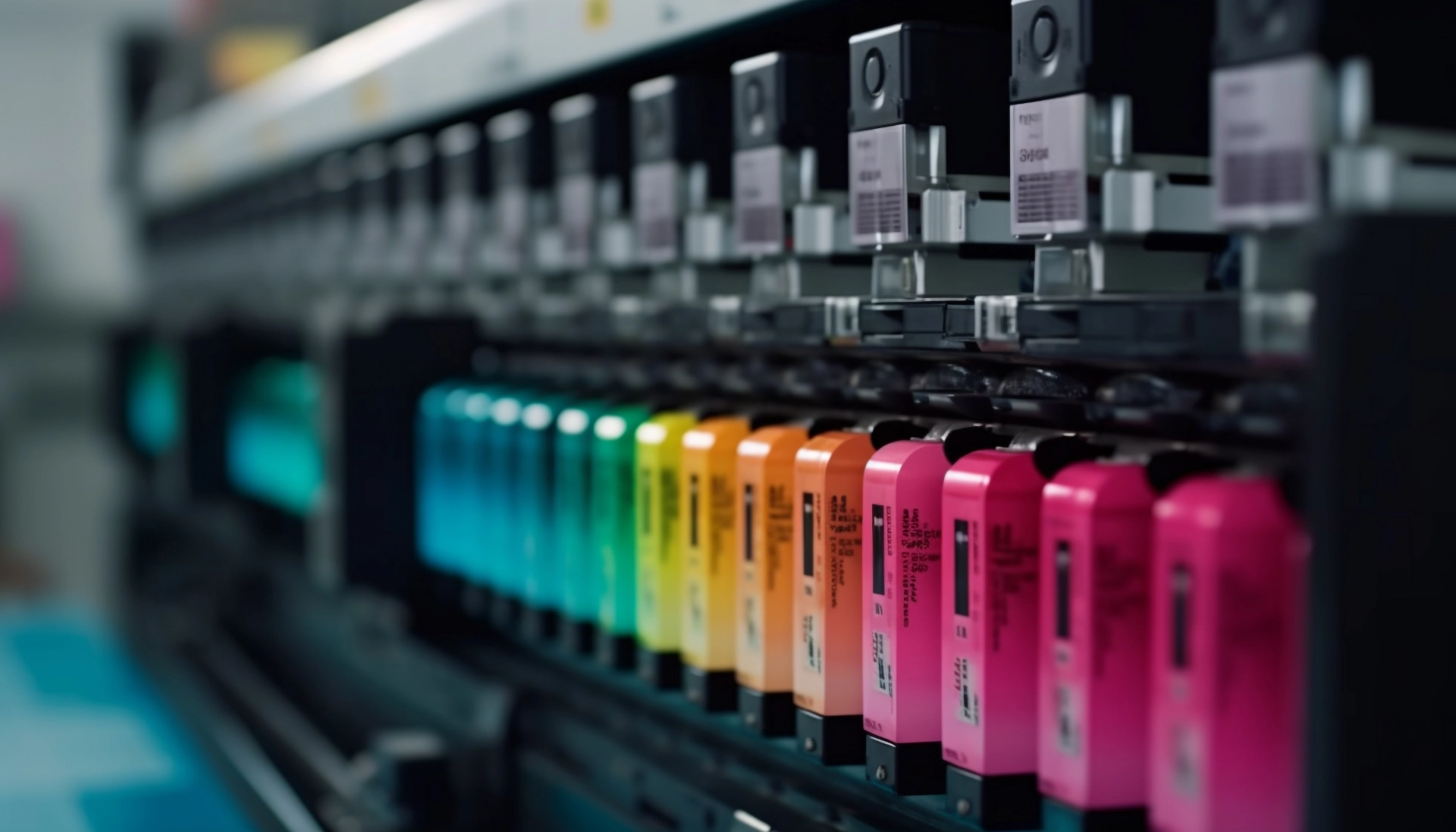
Despite predictions of fully digital workflows, flexographic printing remains the cornerstone of high-volume label production. However, the defining trend is the integration of hybrid presses.
- Converters are combining digital inkjet units with traditional flexographic setups to run multiple processes in a single pass.
- This hybrid approach allows facilities to leverage flexo for consistent, cost-effective long runs while utilizing digital technology for variable data and rapid personalization.
- Upgraded flexo workflows now feature faster make-readies, improved plate quality, and advanced ink curing technologies that significantly reduce waste.
Smart Labeling and Supply Chain Traceability
Interactive and trackable packaging is transitioning from a premium add-on to a supply chain necessity.
- Brands are increasingly embedding QR codes, NFC tags, and RFID technology directly into commercial labels.
- RFID-enabled labels provide real-time location and status data, optimizing inventory management and reducing overall operational costs.
- For consumers, scanning these smart labels verifies product authenticity, provides ingredient transparency, and unlocks digital storytelling experiences.
AI Integration on the Production Floor
Artificial intelligence is actively optimizing the backend of label manufacturing and quality assurance.
- Predictive analytics forecast market demand and automate inventory management, preventing costly stock shortages or overproduction.
- AI-powered quality control utilizes machine learning and image recognition to identify packaging errors, color inconsistencies, and material defects before the labels leave the facility.
- Predictive maintenance sensors ensure continuous press operation by detecting mechanical issues prior to critical equipment failure.
Sustainable Materials and Eco-Conscious Adhesives
Sustainability is now a mandatory standard across the packaging industry. Manufacturers are overhauling their material catalogs to meet stringent environmental regulations and corporate ESG goals.
- High-demand eco-friendly solutions include FSC-certified paper, biodegradable adhesives, and water-based inks.
- Wash-off labels are gaining massive traction as they facilitate the seamless recycling of the primary container without adhesive contamination.
- Top manufacturers are heavily investing in renewable resources like wood pulp to develop durable, paper-based labels with a significantly lower carbon footprint.
Dominant Formatting & Application Shifts
Beyond the press, the physical structure of commercial labels is shifting to maximize shelf impact and functionality.
- Shrink Sleeve Labels: Experiencing rapid growth due to their ability to provide 360-degree graphics, tamper evidence, and compatibility with uniquely shaped containers.
- Pressure-Sensitive Labels (PSA): Continuing to lead the broader market due to their cost-effectiveness, strong adhesion, and versatile application across food and industrial packaging.
- Minimalist Aesthetics: Premium brands are adopting clean typography, soft color palettes, and ample white space to convey authenticity and modern quality.